
Introduction
Renovating before selling can raise interest, yet it can also reduce profit if costs exceed the uplift in price. UK buyers often pay more for homes that feel well maintained, energy efficient, and ready to move into, but not every upgrade delivers a return. Local demand, property type, and the likely buyer group all shape what makes sense. Reliable evidence helps set expectations, such as guidance from the Office for National Statistics on housing trends. This guide explains when renovation supports a sale and when simpler improvements work better.
How UK buyers value condition, presentation, and location
Most UK buyers judge value through three connected cues: condition, presentation, and location. Condition signals risk. A home with a sound roof, modern electrics, and no damp suggests fewer surprises after completion. Buyers often discount offers when surveys flag defects, since repairs can delay a move and raise costs.
Presentation shapes first impressions and can widen appeal. Clean finishes, neutral décor, and good lighting help viewers picture daily life in the space. Even so, presentation rarely compensates for structural issues. A tidy, well staged home can support the asking price, yet it does not usually justify a premium on its own.
Location sets the ceiling price. School catchments, transport links, and local amenities tend to outweigh cosmetic upgrades when buyers compare similar homes. Use recent sold prices on Rightmove and Zoopla to gauge what the area supports, then align any work with that range.
- Prioritise condition: fix leaks, damp, and safety issues before decorative changes.
- Polish presentation: declutter, refresh paintwork, and improve kerb appeal.
- Respect location limits: avoid over-specifying beyond nearby sold comparables.
Renovation versus refresh: choosing the right level of work
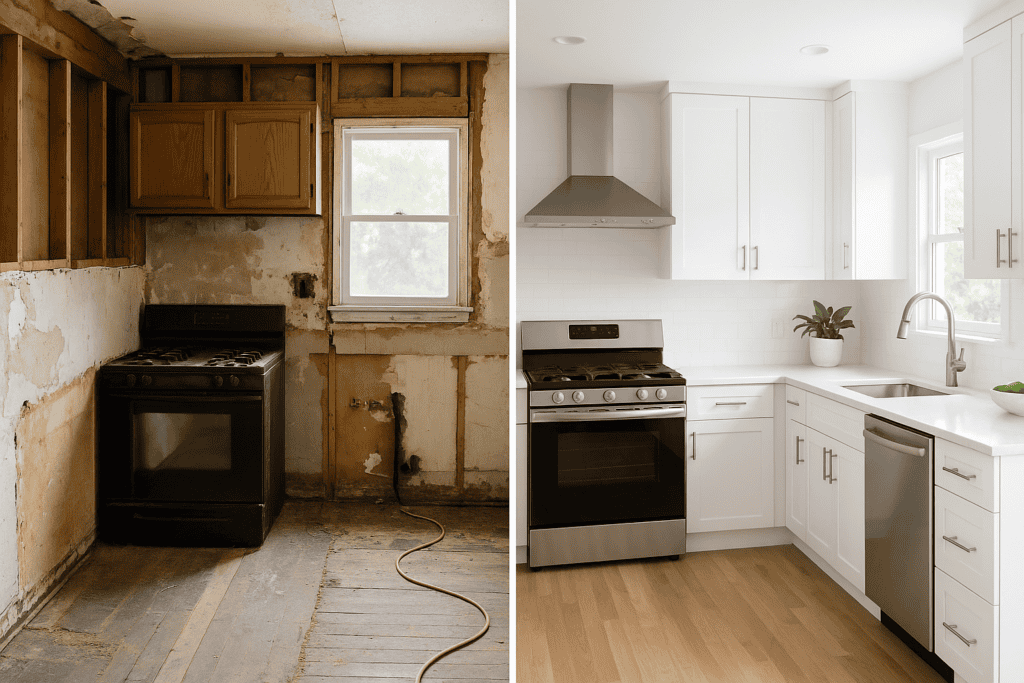
Renovation and refresh sit on a spectrum. A renovation changes the fabric of the home, such as rewiring, replacing windows, or refitting a kitchen. A refresh improves how the property looks and feels, such as repainting, repairing minor damage, and deep cleaning. Choosing the right level of work depends on whether the current condition will block a sale or simply reduce competition for the home.
Choose renovation when a defect will appear on a survey and trigger price reductions or lender concerns. Examples include persistent damp, unsafe electrics, roof leaks, or an ageing boiler. If a buyer expects immediate remedial work, a seller often faces sharper negotiations and longer timescales. In those cases, targeted repairs can protect value because the work removes a clear risk. For guidance on common issues that affect older homes, consult the Royal Institution of Chartered Surveyors (RICS).
Opt for a refresh when the home functions well but looks tired. Neutral paint, refreshed sealant in kitchens and bathrooms, repaired skirting, and consistent flooring can make rooms feel brighter and larger without major spend. A refresh also reduces “mental renovation cost”, which buyers often add to their offer when they see unfinished jobs. That perceived cost can exceed the true price of the work, so small improvements can produce an outsized effect on interest.
Set a clear limit on scope. If a project will not finish before marketing, avoid starting it, since part-complete work raises doubts about quality and hidden problems. When considering energy upgrades, prioritise measures that improve comfort and are easy to explain, such as draught proofing and loft insulation. If you plan to market energy performance, check the current EPC and the rules on certificates via the UK Government EPC guidance.
A practical test helps: if the work removes a known risk, renovation can pay; if it only modernises taste, a refresh often offers better value.
Projects that tend to add value in the UK market
Certain projects tend to support sale price and buyer confidence across many UK areas. The best options reduce perceived risk, improve day-to-day comfort, and present well in photos and viewings. Even so, returns vary by region and property type, so treat these as common value drivers rather than guarantees.
Energy efficiency and running costs
Energy performance often influences buyer shortlists, especially where bills feel unpredictable. Low-disruption upgrades can lift appeal without major building work.
- Loft insulation and draught-proofing to reduce heat loss and improve comfort.
- Modern heating controls, such as smart thermostats, when the system already works well.
- Double or secondary glazing where noise or heat loss affects the main living spaces.
Use your Energy Performance Certificate (EPC) to identify weak points buyers may question. If you complete improvements, keep invoices and any guarantees ready for viewings.
Kitchens and bathrooms: targeted updates
Kitchens and bathrooms sell homes, yet full refits can absorb large budgets. Targeted work often performs better than a complete redesign when the layout functions.
- Replace tired worktops, taps, or cupboard fronts to refresh a dated kitchen at lower cost.
- Re-grout, reseal, and repair around baths, showers, and sinks to remove signs of neglect.
- Improve lighting and ventilation to reduce condensation and create a brighter feel.
A simple rule helps: fix anything that suggests leaks, mould, or poor hygiene, since buyers tend to price those risks into offers.
Kerb appeal and first-impression repairs
External presentation shapes expectations before a viewer steps inside. Small works can make a property feel cared for and reduce negotiation points.
- Front door, paths, and fencing: repair, repaint, and tidy edges for a sharper approach.
- Gutters and roofline: clear debris and address obvious defects that can trigger survey concerns.
- Garden maintenance: cut back overgrowth and define usable space with simple planting or gravel.
Compliance and “peace of mind” documentation
Buyers often pay more when paperwork supports the condition of the home. Arrange servicing for boilers and keep certificates for electrical work, windows, and any recent building changes. Guidance from RICS can also help you understand how surveyors view common defects and maintenance issues.
Works that often cost more than they return before a sale
Some works feel appealing because they modernise a home, yet they often cost more than the price uplift achieved at sale. A common issue involves projects that reflect personal taste rather than broad buyer appeal. When a buyer plans to change a feature after completion, the buyer rarely pays extra for the seller’s choices.
High-end kitchen and bathroom refits often fall into this category. Premium units, bespoke joinery, and luxury finishes can exceed what the local market supports, particularly in mid-range areas. A dated room can justify a targeted update, yet a full strip-out and redesign can struggle to repay the outlay once labour, plumbing, and electrics enter the budget.
Structural changes also carry risk. Removing walls, adding bi-fold doors, or reconfiguring layouts can trigger building control requirements and professional fees. Delays can also disrupt the sales timetable. If the change narrows the buyer pool, such as reducing bedroom count to create a larger kitchen-diner, the work can reduce value even when it looks impressive.
Loft conversions and extensions can underperform when the home already sits near the ceiling price for the street. In that situation, extra space may not translate into a higher offer because comparable sales set a limit. Before committing, check recent sold prices on Rightmove and Zoopla to understand what buyers have paid for similar homes nearby.
Garden landscaping can also disappoint. New patios, outdoor kitchens, and elaborate planting schemes can cost thousands, yet many buyers prefer a simple, low-maintenance space. Swimming pools rarely suit the UK climate and can raise concerns about upkeep and safety.
Smart home systems and niche upgrades, such as integrated audio or specialist lighting, often add complexity without clear value. Buyers tend to prioritise reliability and running costs, so focus spend on resolving defects and presenting the home cleanly rather than pursuing expensive personal upgrades.
Budgeting, timescales, and compliance checks before starting
Set a clear budget before any work starts, then keep a contingency of around 10 to 15 per cent for hidden issues such as damp patches behind units or outdated wiring. Next, compare the likely uplift in sale price with the full cost of works, including labour, materials, waste removal, and professional fees. A local estate agent can sense-check what buyers pay for in the street, while sold-price data on Rightmove can help you test assumptions against recent transactions.
Timescales matter because delays can erode gains. Plan backwards from your target listing date and allow time for ordering, installation, drying, snagging, and a professional clean. Kitchen and bathroom works often overrun due to lead times and trades coordination, so avoid starting them if you cannot finish to a high standard. If you need to live in the property during works, factor in disruption, access for viewings, and safe storage for belongings.
Compliance checks protect both value and saleability. For structural changes, window replacements, electrical work, and many heating upgrades, you may need Building Regulations approval or certification. Ask installers for the correct paperwork and keep it with your property records, since buyers and solicitors often request evidence. Use a contractor registered with a competent person scheme where relevant, such as NICEIC for electrical work or Gas Safe Register for gas appliances. If you plan alterations that may affect boundaries, shared walls, or drainage, check whether you need a party wall notice or other permissions before work begins.
Energy performance can also influence timing. If planned improvements will raise the Energy Performance Certificate rating, consider arranging the EPC after completion so marketing reflects the updated score. Keep receipts and certificates, since clear documentation can reduce buyer queries and help the sale progress with fewer delays.

Decision checklist: when to renovate and when to sell as is
Use this checklist before you spend
Use the questions below to decide whether renovation supports your sale, or whether selling as is protects your time and budget. Aim for a clear yes or no on each point, then weigh the pattern rather than any single answer.
- Will defects appear on a survey? If a buyer’s survey will flag damp, roof issues, unsafe electrics, or failed glazing, expect renegotiation. Fixing clear defects often reduces price chipping and fall-through risk.
- Does the home fail basic expectations for the area? Compare with similar sold homes nearby. If most competing properties offer central heating, double glazing, and a functional kitchen, a very dated setup can narrow demand.
- Does the work improve saleability, not just style? Choose changes that remove objections. Avoid personal design choices that a buyer may replace.
- Can you complete the work quickly and cleanly? If the schedule will push you into a slower season or delay your onward move, selling as is may suit you better.
- Can you evidence compliance? Missing paperwork can worry buyers. If you cannot obtain certificates or approvals, a major project may create more questions than value.
When renovation usually makes sense
Renovation tends to suit sellers when the property has issues that block lending, surveys, or buyer confidence. It also helps when local buyers pay a premium for “ready to move into” homes and the uplift exceeds the full cost of works.
- Safety or structural concerns exist, such as outdated electrics, persistent damp, or roof leaks.
- The home sits below the local norm for core features, which reduces viewings and offers.
- You can complete works before marketing without disrupting your timeline.
- Comparable evidence supports the uplift, using sold prices and agent guidance. Check local sold data on Rightmove and confirm expectations with at least one local agent.
When selling as is often works better
Selling as is can protect profit when renovation costs run high, timescales feel uncertain, or the buyer group expects to modernise. This route also suits sellers who prioritise speed and certainty over maximising the headline price.
- The uplift looks marginal once you include labour, materials, professional fees, and contingency.
- The property already presents well and only needs minor repairs and cleaning.
- The likely buyer wants a project, such as developers or buyers seeking to add value.
- You cannot manage the work due to time, access, or stress, which can lead to poor finishes.
Quick scoring tool
Score each statement from 0 to 2 (0 = no, 1 = partly, 2 = yes). A higher total points towards renovating before sale.
| Statement | Score (0–2) |
|---|---|
| Survey-visible defects will reduce offers. | |
| Works will finish before marketing without delaying plans. | |
| Comparable sales support a clear uplift above total costs. | |
| Compliance evidence will be complete (certificates, approvals). | |
| Changes improve broad appeal rather than personal taste. |
Rule of thumb: If you cannot explain how a project reduces risk, widens demand, or raises value using local evidence, selling as is often proves the safer choice.
If you choose to sell as is, price transparently and disclose known issues early. Clear information can attract buyers who accept the condition and reduce late-stage renegotiation.
FAQ
Should I renovate before selling, or sell as is?
Renovate when a defect will deter buyers, raise survey concerns, or limit mortgage options. Typical issues include unsafe electrics, active damp, roof leaks, or failed double glazing. Sell as is when the home needs major modernisation that a buyer may wish to tailor, or when time and cash flow matter more than a higher asking price. A local agent can advise whether the street expects a “ready to move into” finish or accepts projects.
Which jobs tend to help most just before marketing?
Focus on work that reduces perceived risk and improves presentation without altering the layout. Fix leaks, replace broken fittings, repair cracked plaster, and refresh tired paintwork in neutral tones. Professional cleaning, tidy gardens, and good lighting also support stronger photos and viewings. If you complete one technical upgrade, a working heating system with recent paperwork often reassures buyers.
Will a new kitchen or bathroom increase the sale price?
Sometimes, yet the return often disappoints when finishes feel premium or too specific. Many buyers still plan to replace units, so the uplift can fall short of the cost. A targeted approach tends to work better: repair damage, replace worn worktops or tired taps, re-grout, and ensure ventilation works. Clean, functional rooms often meet expectations, with buyers pricing future upgrades into their plans.
How do EPC ratings affect a sale in the UK?
Energy Performance Certificate (EPC) ratings can influence shortlists because running costs matter. Simple measures, such as loft insulation and draught-proofing, can improve comfort and buyer confidence. Use the recommendations on your EPC as a guide and check official guidance on the GOV.UK EPC pages. Avoid expensive systems solely to chase a higher band unless local comparables show a clear premium.
Do I need building regulations approval or planning permission?
Many works require compliance, even when planning permission does not apply. Electrical work in certain areas can fall under Part P, while structural changes often need building control sign-off. Ask your contractor what certificates you will receive and keep copies ready for the buyer’s solicitor. For rules and links to local planning portals, use the Planning Portal.
How much should I budget, and how long will it take?
Set a firm spend limit and keep a contingency of 10 to 15 per cent for hidden issues. Timescales can slip due to trades availability and material lead times, so plan backwards from your target launch date. If you aim to list quickly, choose jobs you can complete in days, not months, and avoid changes that need inspections unless the defect will block a sale.
Should I get quotes and surveys before deciding?
Yes, when the decision depends on unknown costs. Two or three written quotes can show whether a “small fix” hides a larger problem. A pre-sale inspection can help you decide what to repair and what to disclose, although you should weigh the fee against the likely benefit. If you suspect damp, structural movement, or roof failure, professional advice can prevent wasted spend on cosmetic work.
What paperwork should I prepare for buyers?
Gather certificates and receipts that build confidence and reduce delays. Useful items include electrical installation paperwork, gas safety records, boiler service history, guarantees for windows or damp treatment, and building control completion certificates. Clear documentation can reduce renegotiation after a survey because buyers can see what you fixed, when you fixed it, and who completed the work.
Conclusion
Renovating before selling can raise interest and reduce negotiation, yet it only pays when the work removes clear barriers to a sale. Focus on issues that affect safety, mortgageability, and survey results, such as damp, roof defects, unsafe electrics, or failed glazing. When the home presents well and functions properly, a targeted refresh often achieves the best balance between cost, time, and buyer appeal.
Set decisions against local evidence rather than assumptions. Ask an estate agent to sense-check likely buyer expectations on your street, then compare the full cost of works with realistic sold prices. Use reputable data sources such as Rightmove House Prices to ground expectations. Keep compliance in view, since missing certificates can delay conveyancing and invite price reductions.
Choose improvements that photograph well, feel clean and cared for, and reduce perceived risk. Avoid expensive, taste-led upgrades that a buyer may replace. If time is tight or the property needs major modernisation, pricing appropriately and selling as is may protect your outcome. A clear plan, supported by local market insight, usually beats extensive work carried out on speculation.