
Set a realistic asking price using local market evidence
A realistic asking price attracts serious buyers and reduces the risk of a stalled listing. Set the figure using local market evidence rather than national headlines or online estimates alone. Start with recent sold prices for comparable homes on the same street or in nearby roads, paying close attention to property type, floor area, condition, parking, and outside space. Use the sold-price data on HM Land Registry to check what buyers actually paid, not only what sellers hoped to achieve.
Next, compare your home with active and under-offer listings to understand current competition. A property that sits above similar homes often receives fewer viewings, which can lead to repeated reductions and weaker negotiating power. A well-judged price, by contrast, tends to generate early interest and can support stronger offers. When you review comparables, adjust for differences in presentation and specification. For example, a recent kitchen, modern boiler, or a loft conversion can justify a premium, while dated décor, short lease length, or signs of damp can limit buyer appetite.
Local demand also shapes the right strategy. In a slower market, pricing slightly below the nearest comparable can widen the pool of buyers and create momentum. In a high-demand area, a sharper price can still help you secure multiple viewings quickly, which often improves the final outcome. Ask one or more estate agents for a written valuation backed by recent local evidence, and challenge any figure that relies on optimistic assumptions. For an independent sense-check, consult the Royal Institution of Chartered Surveyors (RICS) guidance on valuation and market conditions.
Once you set the asking price, monitor enquiry levels in the first two weeks. Strong interest suggests the price aligns with the market, while low viewing numbers usually signal that buyers see better value elsewhere.

Prepare the property for viewings with targeted repairs and staging
Buyers decide quickly whether a home feels cared for, so preparation must focus on visible condition and easy living. Begin with targeted repairs that remove common objections. Fix dripping taps, sticking doors, cracked tiles, loose handles, and damaged sealant around baths and sinks. Replace blown light bulbs and ensure extractor fans work, as poor lighting and lingering odours can suggest damp or neglect. Address signs of moisture promptly, including peeling paint, mould marks, or stained ceilings. If a repair needs specialist input, use a qualified tradesperson and keep receipts, since buyers often ask what work you completed and when.
Next, present each room as bright, clean, and proportionate. Deep-clean kitchens and bathrooms, including grout lines, limescale, and appliance fronts. Neutral paint in high-traffic areas can freshen the home without major cost, while consistent finishes help rooms feel connected. Reduce visual clutter by clearing worktops, tidying cables, and storing excess furniture. A spacious layout photographs better and helps viewers judge how their own items will fit. Where storage sells the lifestyle, organise wardrobes and cupboards so they look usable rather than crammed.
Staging should guide attention to the home’s strengths. Use mirrors to lift darker corners, set dining tables simply to show capacity, and add soft furnishings sparingly for warmth. Keep pet items discreet and ventilate before viewings. Outside, improve kerb appeal with swept paths, weeded borders, clean bins, and a clear front door area. If you plan larger improvements, check whether permissions apply. Guidance from Planning Portal helps you confirm when work needs planning permission or building regulations approval, which can prevent delays once a buyer requests evidence.
Improve kerb appeal to increase enquiries from online listings
Most buyers form an opinion before reading the description. Online listings amplify that effect because the main photo often shows the front elevation. Strong kerb appeal can increase click-throughs, enquiries, and viewing requests, especially when several similar homes compete in the same area.
Prioritise what the camera will capture
Start by standing where the estate agent will take the lead image and note distractions. Clear bins, children’s toys, and loose items from the frontage. Clean the path and driveway, remove weeds from cracks, and trim hedges to restore clean lines. A pressure wash can lift the look of paving and brickwork, yet avoid harsh settings that damage pointing or soft stone. If the front door looks tired, repaint it in a neutral, heritage shade and polish or replace tarnished door furniture.
Use simple cues that signal care
Small details often communicate maintenance better than expensive upgrades. Replace broken fence panels, straighten a leaning gate, and repair loose guttering. Wash windows inside and out, since reflections and streaks show clearly in photos. If the property has a front garden, define edges with a quick mow, fresh mulch, and a few seasonal plants in matching pots. Choose low-scent options, as strong fragrances can deter some viewers.
- Lighting: Fit warm, matching bulbs to exterior lights and check that fittings work.
- House number: Ensure the number is visible from the pavement and looks modern and clean.
- Parking: Present a clear space if possible, as photos often imply practicality.
Support the listing with accurate presentation
Ask the agent to photograph the frontage on a bright day and to avoid wide-angle distortion that misrepresents proportions. If trees or scaffolding affect the view, request an alternative angle that still shows the entrance clearly. For flats, focus on the approach, communal areas, and the main entrance, since those images shape expectations.
Check any changes comply with local rules, particularly in conservation areas or listed buildings. Guidance from your local planning authority can help you confirm what needs consent, and GOV.UK explains when planning permission may apply.
Choose the right estate agent and agree a clear marketing plan
The right estate agent can shorten time on the market by matching the property to active buyers and presenting it well online. Start by comparing agents that operate in the immediate area, since local demand varies street by street. Ask each agent for evidence of recent completed sales, not only valuations, and check how closely achieved prices matched the original asking prices. Review the quality of current listings on major portals such as Rightmove and Zoopla, paying attention to photography, floorplans, and the clarity of descriptions. Consider how quickly listings appear after instruction and whether the agent uses accurate map pins and complete room measurements.
Agree a clear marketing plan before signing terms. Confirm the launch date, the target buyer profile, and the channels the agent will use, including portal listings, applicant databases, and social media promotion where suitable. Ensure the plan specifies professional photography, a measured floorplan, and a concise description that highlights practical features such as parking, storage, and broadband availability. A strong plan also sets out viewing arrangements, including accompanied viewings, availability at evenings or weekends, and how quickly the agent will respond to enquiries. Ask who will handle viewings day to day and how the agent will qualify buyers before booking appointments.
Clarify fees and contract terms in plain language. Ask whether the fee is fixed or tiered, whether it includes VAT, and whether withdrawal charges apply. Check the length of the sole agency period and the notice required to change agent if activity falls short. Request a weekly update that covers online viewing statistics, enquiry levels, feedback themes, and recommended adjustments to marketing. When both sides agree measurable actions and reporting, the sale stays active and decisions happen quickly.
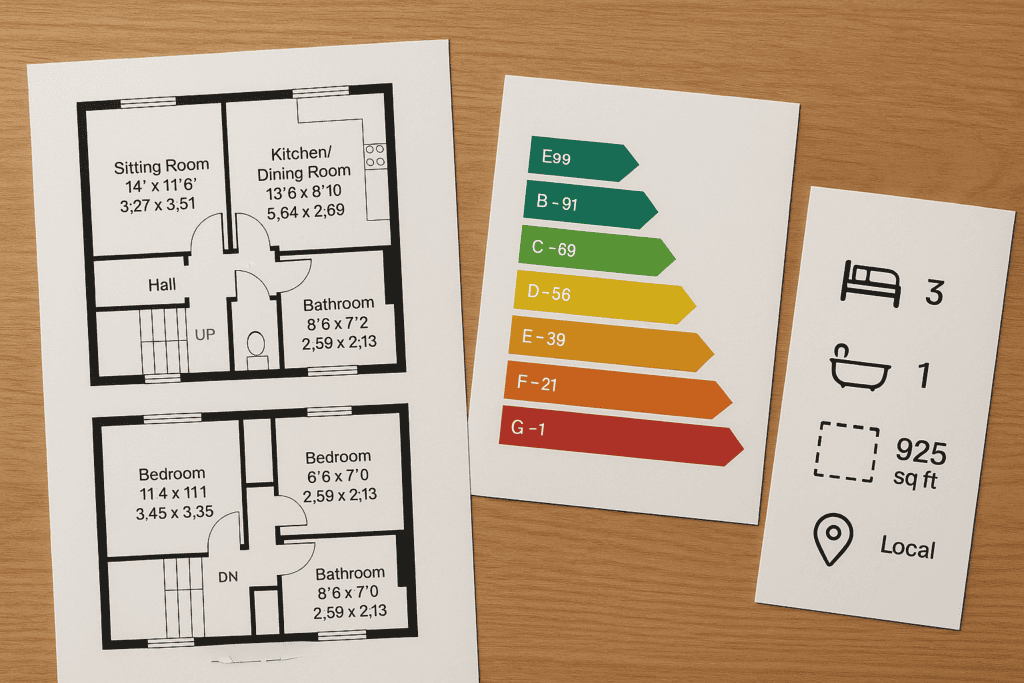
Create a strong listing: photography, floorplans, EPC and key details
A listing must answer a buyer’s questions quickly and remove doubt. Strong visuals, clear documents, and accurate facts help a property stand out in search results and reduce back-and-forth that can slow progress.
Photography that sells the space
Professional photography usually pays for itself because it increases click-throughs and viewing requests. Ask for bright, wide shots that show flow between rooms, not only close-ups of features. Ensure each room appears in its best use, with worktops clear and beds made. Open curtains, switch on lamps, and replace harsh bulbs with warm, consistent lighting. Request a balanced set of images, including the front elevation, rear garden, main living area, kitchen, principal bedroom, bathrooms, and any selling points such as parking, a home office, or a view.
Consider a short video walk-through or 3D tour if the layout needs explanation. Many agents publish these on Rightmove and Zoopla, which can filter out casual interest and attract better-qualified viewers.
Floorplans and measurements buyers trust
A clear floorplan reduces uncertainty and helps buyers judge whether furniture will fit. Provide accurate room dimensions and label key features such as storage, bay windows, and access to the garden. If the property has been extended or reconfigured, ensure the plan reflects the current layout. Avoid vague descriptions such as “spacious” without supporting measurements, as serious buyers compare homes by floor area and usability.
EPC and compliance details
An Energy Performance Certificate (EPC) is a legal requirement when marketing a home. Upload the current certificate and highlight practical improvements, such as loft insulation depth, double glazing, or a modern boiler. Buyers often use the EPC to estimate running costs, so clarity can prevent objections later. You can check and download an existing certificate through the official Find an energy certificate service.
Key details that prevent delays
- Tenure and charges: confirm freehold or leasehold, ground rent, service charge, and remaining lease term.
- Council Tax band: state the band and local authority.
- Parking and access: clarify allocated spaces, permits, rights of way, and shared drives.
- Broadband and mobile: note known speeds and coverage, especially in rural areas.
- Planning and building works: mention extensions, conversions, and guarantees, with dates and paperwork available.
Accurate, complete details reduce fall-through risk because buyers can assess suitability early and proceed with fewer surprises.
Manage viewings efficiently and respond quickly to feedback
Group viewings into set time blocks, rather than spreading appointments across the week. That approach reduces disruption, keeps the home consistently presentable, and creates a sense of momentum when several buyers view close together. Confirm each appointment in writing, share clear parking and access details, and ask viewers to arrive on time so the schedule stays intact. Where possible, step out during viewings and let the agent lead, since buyers often speak more freely without the owner present.
Speed matters once feedback arrives. Aim to respond the same day, even if the message only confirms that the comments have been received and a full reply will follow. Treat feedback as market evidence: recurring points about layout, light, noise, or storage usually signal a fixable barrier to offers. Agree with the agent on practical adjustments, such as changing viewing times to avoid traffic noise, improving lighting in darker rooms, or clarifying details that caused confusion.
Keep a simple log of each viewing, the buyer’s position, and next steps. Prompt follow-up also helps identify proceedable buyers early, including those with a mortgage agreement in principle and a related sale already under offer.
Negotiate offers and keep the chain moving with proactive communication
Once offers arrive, speed depends on clarity and pace. Set expectations early with each buyer about timescales, funding, and any conditions attached to the offer. Ask the estate agent to confirm the buyer’s position in writing, including whether the buyer has a related sale, whether a mortgage agreement in principle exists, and whether a survey is likely to raise issues. When a buyer offers without a chain, treat that advantage as a measurable benefit, not a vague promise.
Respond to offers promptly and keep counter-offers simple. A long list of demands often slows progress and creates room for misunderstanding. Instead, agree the headline price and the key terms, such as proposed completion date, included items, and any agreed works. If several offers compete, request “best and final” offers with a clear deadline and a consistent set of questions. That approach reduces drift and helps the estate agent compare offers fairly.
Once you accept an offer, keep the chain moving through proactive updates. Instruct a conveyancer immediately and return all forms without delay. Provide identification, title documents, guarantees, planning paperwork, and service records as soon as the conveyancer requests them. If you sell a leasehold property, order the management pack early, as that step often causes avoidable delays. Use the guidance on the GOV.UK home buying and selling pages to check which documents commonly support a smoother transaction.
Maintain a single, agreed communication route. Ask the estate agent to share weekly progress notes that cover searches, mortgage status, survey outcomes, and any outstanding enquiries. When a survey flags issues, request the report sections that relate to the concern and respond with evidence, such as invoices or guarantees, rather than assumptions. If renegotiation becomes necessary, focus on objective costs and timescales so the chain stays stable and the sale reaches exchange without unnecessary friction.

Speed up conveyancing with early paperwork, surveys and lender readiness
Conveyancing often dictates the pace of a sale. You can reduce delays by preparing key documents before you accept an offer and by ensuring the buyer can progress without avoidable queries.
Start with early paperwork. Ask your conveyancer to open the file as soon as you decide to sell, not after you agree a price. Provide proof of identity, details of any mortgage, and evidence for alterations such as planning permission and building regulations sign-off. Where the property is leasehold, request the management pack immediately, since freeholders and managing agents can take weeks to respond. Your conveyancer will also need accurate information for the Property Information Form (TA6) and, if relevant, the Leasehold Information Form (TA7), which sit within the Law Society transaction forms.
Arrange surveys early where they can prevent renegotiation. A seller-commissioned home condition survey can highlight issues that a buyer’s survey would raise later. You can then fix defects or price them transparently, which reduces the risk of last-minute price reductions. If you suspect damp, roof wear, or movement, commission the relevant specialist report and keep receipts for remedial work.
Lender readiness also matters, even though the buyer controls the mortgage application. Encourage the estate agent to confirm that the buyer holds a mortgage Agreement in Principle and has funds for the deposit and fees. Where a buyer relies on a mortgage, ask for prompt booking of the valuation, since lenders often require access within set timeframes. If the buyer uses a broker, request a named contact so queries do not stall.
- Send your conveyancer documents in one complete pack to reduce follow-up emails.
- Disclose known issues early, with supporting evidence, to avoid late surprises.
- Keep access flexible for valuations and surveys to prevent missed appointments.